DBSA Omaha New Hope
Depression & Bipolar Support Group, Omaha NE

Neuroscience – 12/23 meeting
Wisked off a plane and right to our meeting, guest speaker Josh spent the evening explaining what the medications we take are actually doing inside our brain. Taking a lecture prepared for college bound, high achieving high schoolers and modifying it for our group, Josh clued us in on the science behind what many of our doctors tell us the meds are doing. Thanks Josh for a very cool presentation!
525,600 minutes – 12/30 meeting
Last Thursday we closed out 2021 with a party! Coffee, Hot Chocolate, cookies, brownies, and breakfast pastries from Panera were provided by a generous gift to the group.
Our discussion revolved around reviewing and learning from 2021. Some of the questions were:
- When you think back on this past year, what are you proud of yourself for?
- What surprised you from this past year?
- What worked well the past year that you are grateful for?
- What was challenging or disappointing?
- What were your most meaningful moments?
- Where did you fail?
- What did you do this year that you’d never done before?
- Compared to this time last year, are you: happier or sadder?
- What do you wish you’d done more of?
- What do you wish you’d done less of?
- What kept you sane?
- What valuable life lesson did you learn this year?
- What was your biggest triumph in 2021?
We ended our meeting with the question:
Regardless of how 2021 went for you, how are you going to make 2022 better than 2021?
But rather than talk about it, or make yet another new year’s resolution about it, we encouraged members to simply do it.
To Take action. Actions that will make your life better in 2022!
Feeling the Feels – 12/9 meeting
On Thursday December 9th, our DBSA meeting began with guest speaker Kris giving us a presentation entitled; “ Feeling the Feels “
Kris began by discussing the different aspects of “ Emotional Regulation “She advised that people who have over the top actions do not have emotional regulation. The definition of emotional regulation is “ taking an action to alter the intensity of an emotion, so as to effectively control your emotions”.
However Kris reminded us that feelings are not wrong , but more often other people invalidate our feelings due to their own discomfort. Invalidation of your feelings from others says that your feelings are wrong or bad, which can make it hard to seek and receive support. Loss of support can impact your emotions most. Validation of your feelings is important and makes it much easier to feel connected. There are several ways that people can deal with their feelings in a positive way, such as journaling, self care, or even calling a friend.
Kris went on to present five emotional regulation skills we should master:
1) Create space– PauseEmotions can happen fast, and we don’t have time to think “ now I will be angry”-sometimes the anger just happens. The number one skill in regulating difficult emotions is to pause. Take a breath, and slow down the moment between trigger and response.
2) Noticing what you feel-NoticeAnother important skill involves the ability to become aware of what you’re feeling. Dr. Judson Brewer, MH Ph.D. recommends practices for becoming more curious about your own physical reactions. Tune into yourself and consider: in what parts of your body are you noticing sensations? Is your stomach upset, heart racing, or tension in your neck or head?Physical symptoms can be clues to what you are experiencing emotionally.
3) Naming what you feel- Name ItAfter noticing what you feel, the ability to name it can help you get control of what’s happening. Ask yourself, what would you call the emotions you are feeling? Is it anger, sadness, disappointment or resentment? Being able to name your emotions will help you get one step closer to sharing your emotions.
4) Accepting the emotion – Accept you feel this way Emotions are a normal and natural part of how we respond to situations. Rather than beating yourself up for feeling angry or scared, recognize that your emotional reactions are valid. Recognize that experiencing emotions is a normal reaction.
5) Practicing mindfulness – Let go of the feeling Mindfulness helps us “ live in the moment “ by paying attention to what’s inside us. Use your senses to notice what is happening around you in nonjudgmental ways. These skills can help you stay calm and avoid engaging in negative thought patterns.
Be sure and join us at our next DBSA meeting on Thursday Dec 16th, when our topic will be “ I don’t have to Live like this “
Cooling Off – 12/2 meeting
On Thursday December 2nd, our DBSA meeting began with facilitator Becki giving us a presentation entitled; “ Cooling Off “.
Becki started out by discussing how the colder temps of the upcoming Winter season can influence our bodies, possibly slowing us down and even sometimes making us sadder. However, we can utilize cold temperatures to change how we think and feel.
According to Becki there are benefits of cold, or as she presented to us as the acronym BOC, which stands for “ Benefits of Cold.”. The cold weather temps can actually help you think more clearly. There are also sleep benefits of the cold temps, as a healthy recommended sleeping temp is 60-67 degrees. The cold can also increase our metabolism in the Winter.
During Winter you can also gain a new appreciation of nature, by taking a walk on a cold Winter night, which is one of the best times to see the stars.
Becki also advised that inflammation in our body can cause physical and mental health conditions to worsen, and inflammation can sometimes be linked to depression. But she advised we can embrace the chilly Wintertime , as the cold temps will help to help release that inflammation. And Becki advised with better sleep, appetite and cognition the cold months can be very good for our bodies.
According to Becki, gratitude is the right attitude in every season!
Please join us next Thursday for our topic “ Feeling all the Feels “
The Fire – 11/18 meeting
Most of us have a fire. The thing we fear the most. The most dangerous thing in our life. Thursday night we talked about our fires, how to prepare for when they rage, and the most important thing to do to prepare.
Facilitator Don took us on a journey unlike our normal meetings. Starting off with a dedication to those no longer with us, through music and stories, we talked about our personal fires. We talked about the need to practice focusing your mind so when the moment comes, you can reach out for help. The need to have someone in your life that you can trust. Someone that will unfailingly be there for you. Someone who understands you and what is at stake in that moment.
For some of us, we continued the theme into the second hour, allowing those amongst us that needed to, to tell their stories of dealing with and surviving their fires.
Dealing with Friends and Family – 11/4 meeting
On Thursday November 4th, our DBSA meeting began with Facilitator Steve giving a presentation on“ Dealing with Family and Friends “.
Steve started out his talk by advising when we are feeling depressed or anxious, unsupportive friends and or family can be challenging. He went on to mention that if friends and or family are unsupportive, and possibly blame you for your illness or maybe even by making thoughtless statements, that can be discouraging.First, and most importantly, recognize not everyone will understand. There may be a reason for their feelings that has nothing to do with you. Their thought process might be from growing up in an environment where they learned it was wrong to show vulnerability. It very well may be possible that the reason they are unable to support you is that they are dealing with their own mental health issues. Steve advised sometimes the best way to feel better is to help someone else!It takes the focus off of you! And learn to treat yourself well! Possibly one of the best ways to find the support you need is to start with yourself. Learn to be your own cheerleader!Practice being kind to yourself, and keep the self-talk positive.Steve mentioned if you realize friends and family aren’t giving you the support you may need, consider joining a support group, such as DBSA or NAMI. At first it may seem a little intimidating to open up when attending these groups, but you may discover that others who have a common struggle or experience may be great support.A few things to remember if you are dealing with unsupportive people:Not everyone is going to like you, which has nothing to do with you!Your job is not to please everyone, or to be understood by everyone.You must live your life for yourself, and not for other people!The most important thing I learned from this presentation, is to learn to trust your intuition, and to never second guess yourself.And try to stay true to what you know is real. If needed, write it down and come back to it whenever you feel uncertain.And above all, learn to forgive others. If you can learn the importance of forgiveness, you will free yourself!
The Masks We Wear – 10/21 meeting
Our most recent DBSA meeting started out with a most contemplative presentation, made by our facilitator Don. Entitled “ The Masks that we Wear”, a most appropriate topic for the upcoming Halloween season. We learned from Don that one of the origins of Halloween is an ancient Celtic holiday, which began with the wearing of masks as protection from evil spirits.
The more conventional definition of a mask is : a covering used to protect ourselves, but we also explored the mask as a false front.
There are different types of masks we wear:
1) an identity mask may be used to hide who you really are.
2) an emotional mask to hide what you are feeling
3) a situational mask to help you fit into a given situation.
There are commonalities between these masks. All are good in small doses, but overdoing them can lead to unintended consequences. They all have a function, and can help protect you against ill natured people. Also wearing a mask can be a way of setting boundaries.
There are practical reasons to shed a mask. By shedding your mask, you may live more to your potential. It may be a relief to shed a mask. To fully heal, one must shed the mask you are wearing. When you are wearing a mask, we aren’t always being your authentic self.
Be sure and join us on Thursday October 28th, when facilitator Becki will be presenting the topic “Fear”
Tell us how we are doing!
Every few years, we like to get feedback from the group. Well, that time is here again. Please take our less than 5 minute, 7 question survey.
https://www.surveymonkey.com/r/KRBNMRM
This is your chance to tell us how we are doing and if we are meeting your needs. We want to hear from you!
Things Mentally Strong People Don’t do, Part III – 10/7 meeting
Our most recent DBSA meeting got off to a strong start, with facilitator Miriam making an anticipated presentation entitled “ Things Mentally Strong People Don’t do, Part III” . During this evening’s edition of “ Things Mentally Strong People Don’t do”, Miriam focused on strategies we can use to help us to make desired changes and to meet our goals.
She advised we should identify small steps we can take to meet our goals. She reminded us mentally strong people don’t expect immediate results, and also don’t give up after their first failure. If you don’t see immediate results in meeting your goals, you may conclude it’s not working. However you must be patient, and not underestimate the time it will take to achieve your goal.
Also try not to overestimate your abilities, and decide to commit to the long haul for the changes you desire. Don’t place a time limit on changes you desire, or overestimate how much better things will be in your life with these desired changes. Recognize that progress may not always be recognizable in the very beginning. To succeed you should learn to pace yourself, and make sure to try and create realistic expectations for your goals. Make sure you have a plan in place, pace yourself for the long haul and keep looking ahead to the end game!
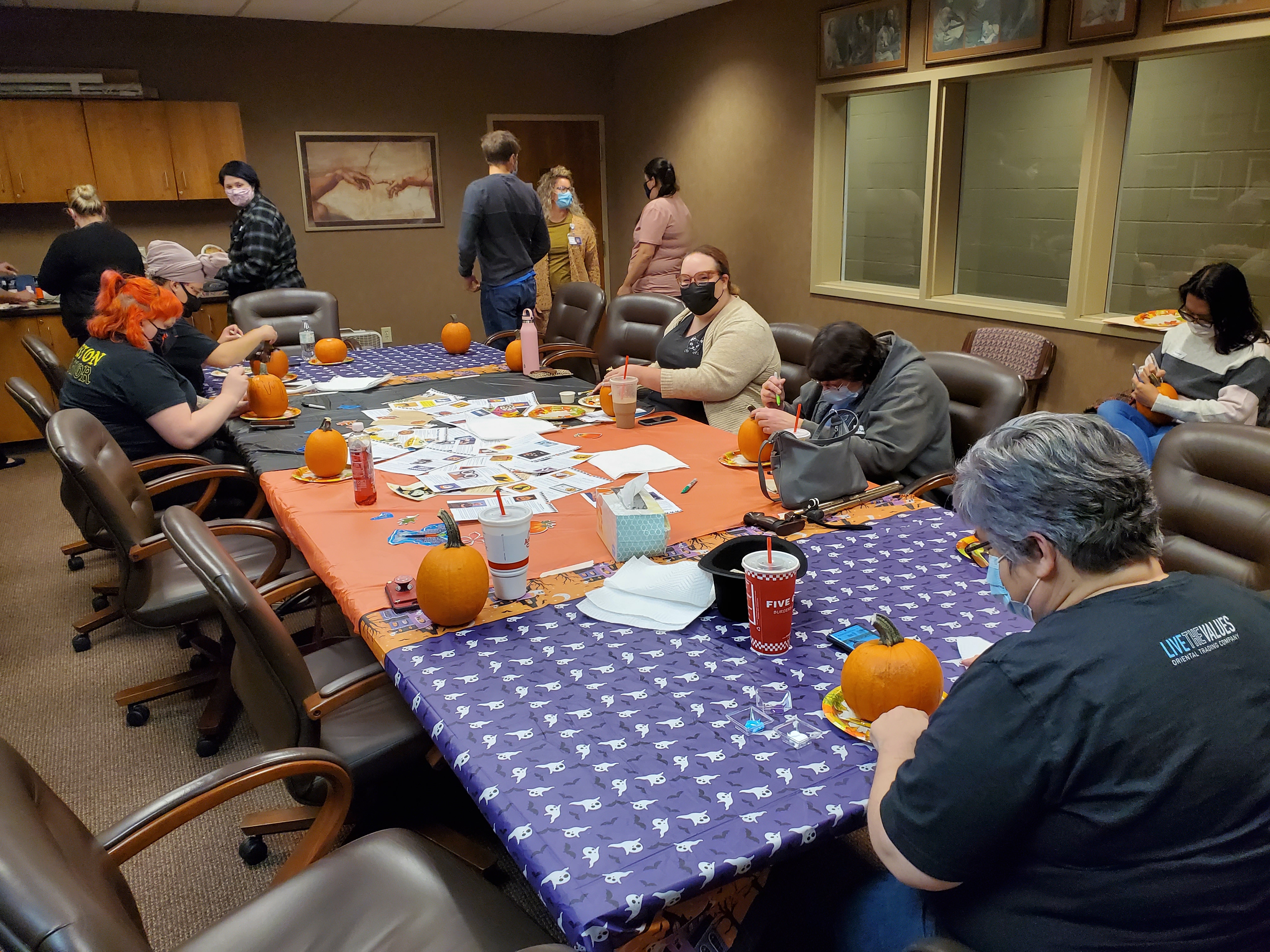
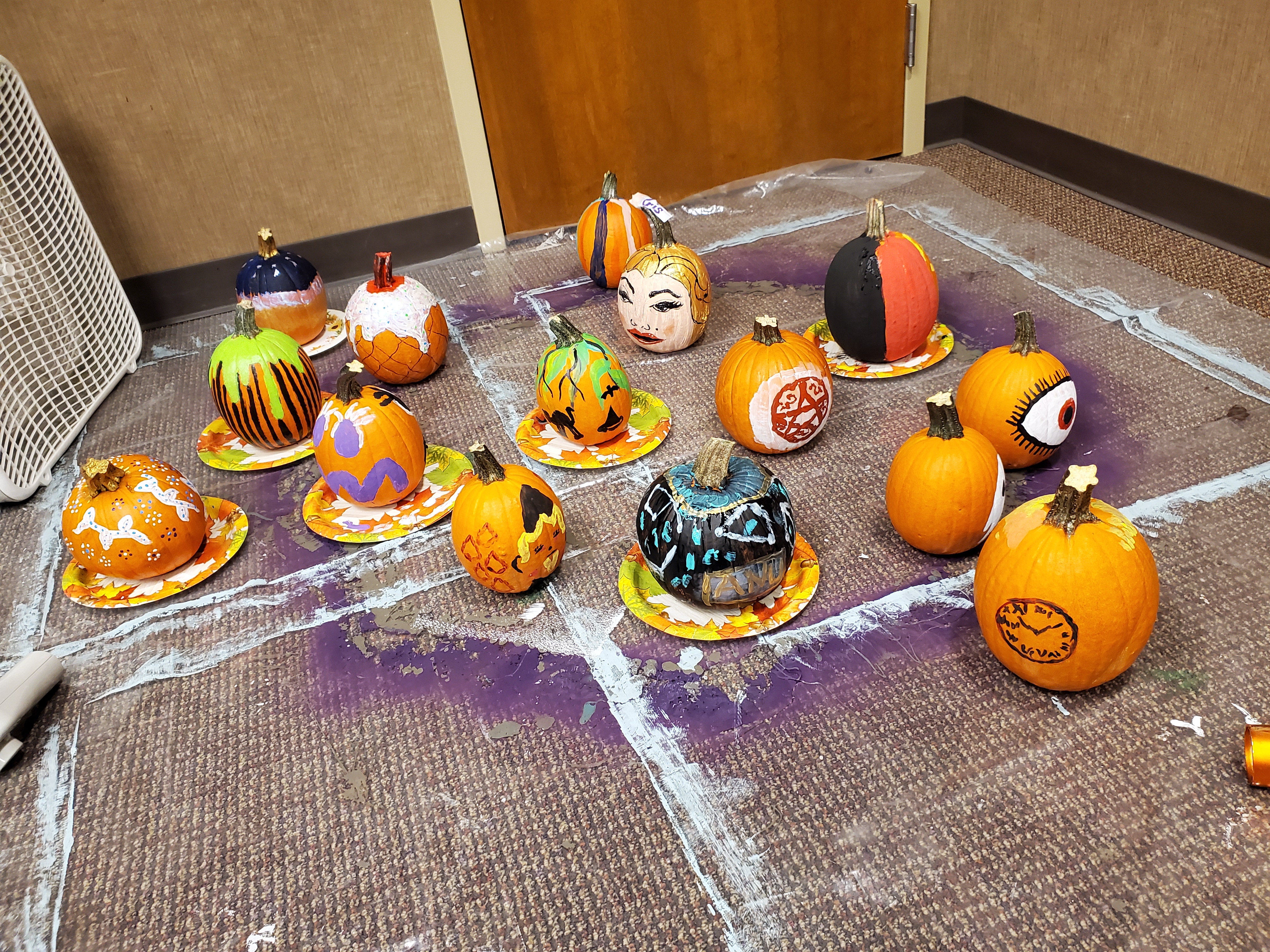
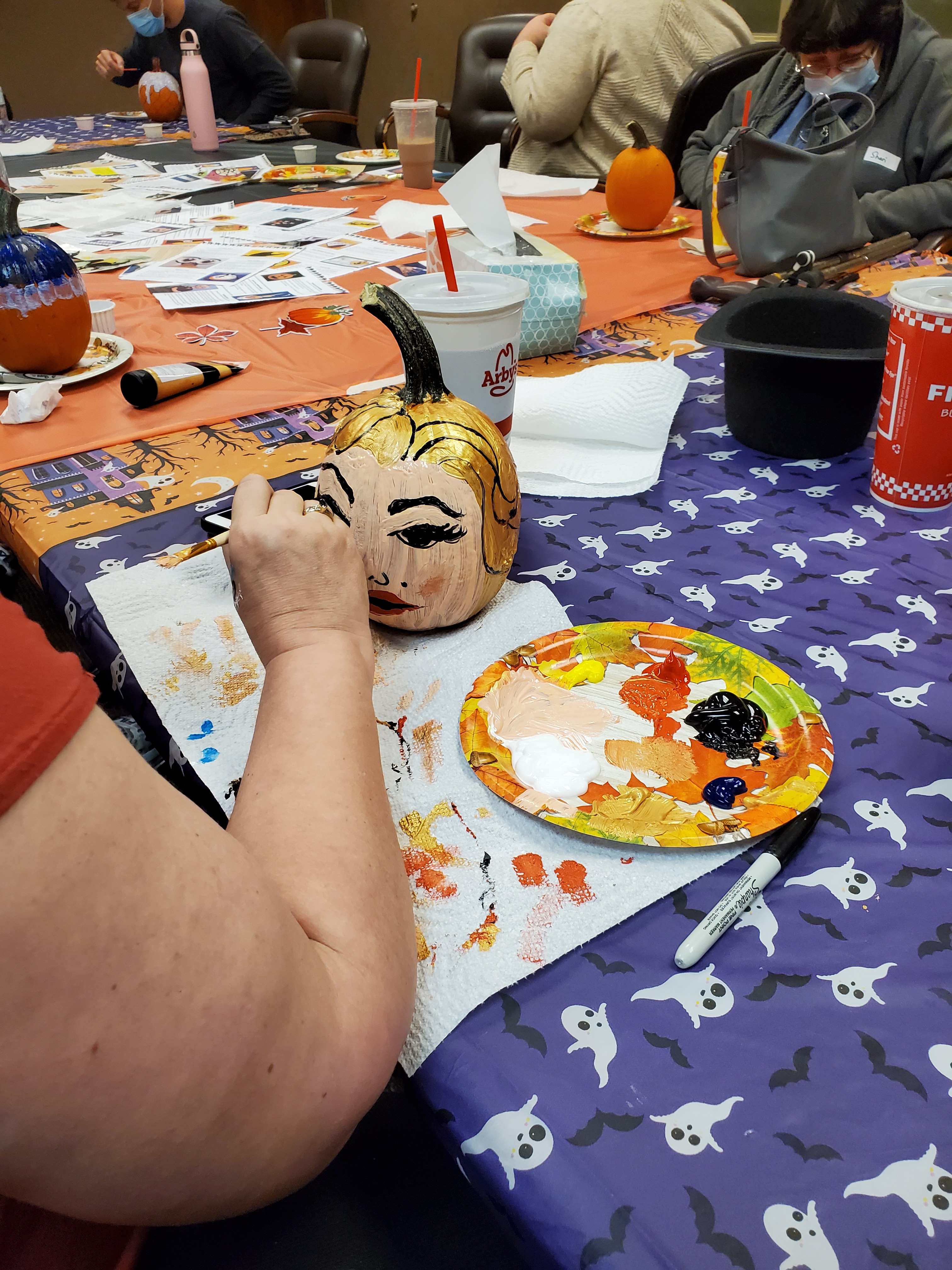
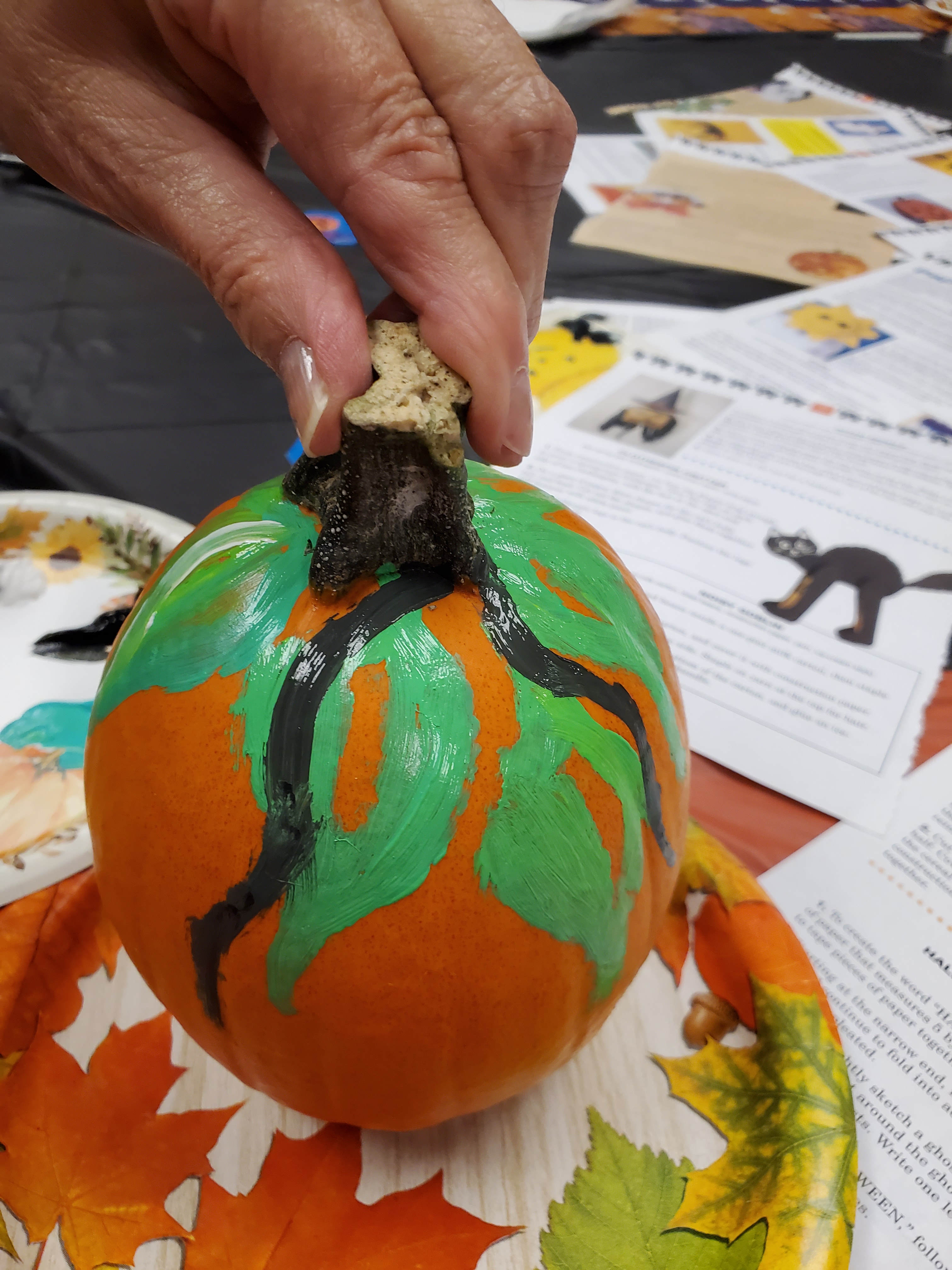
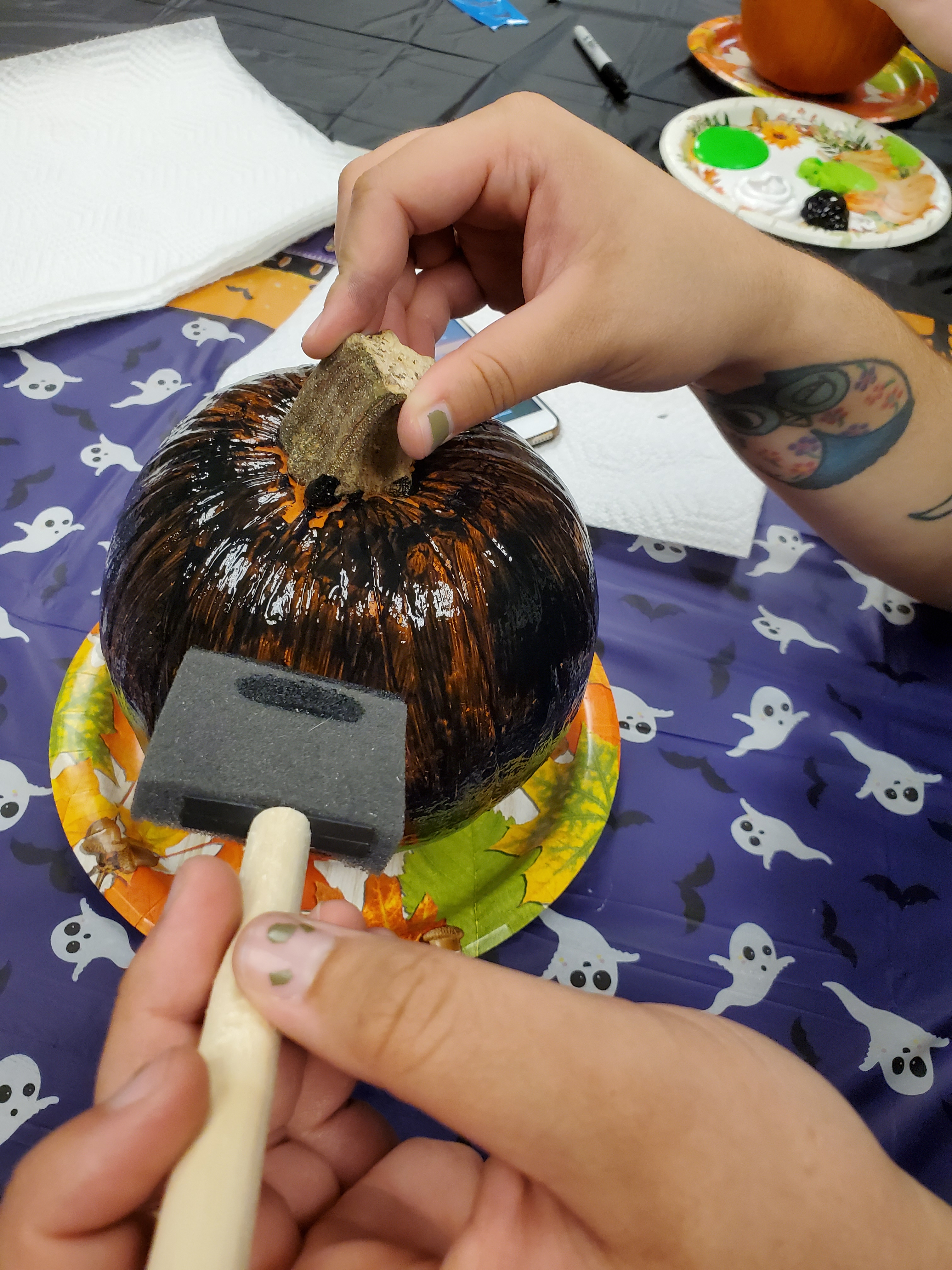
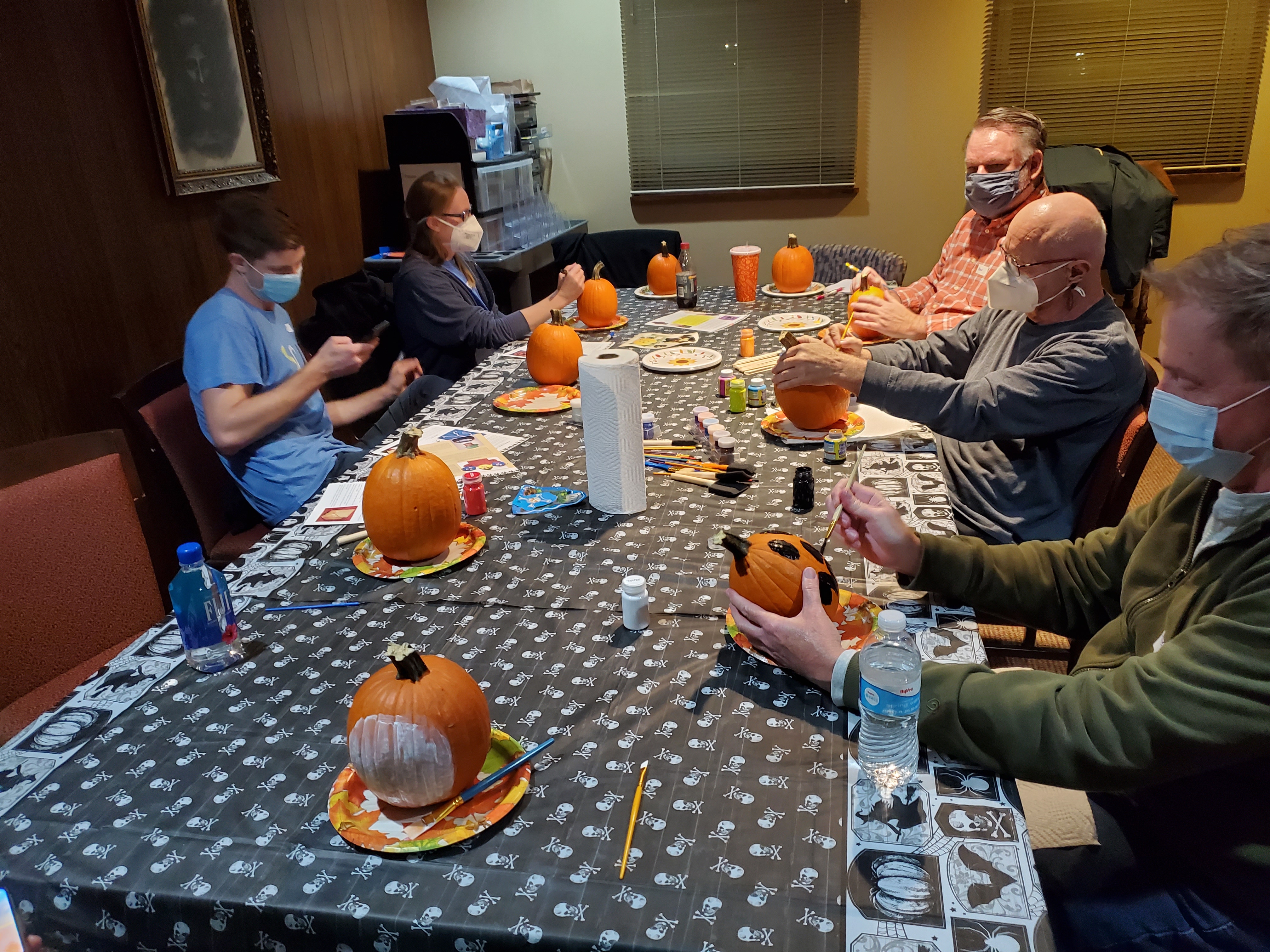
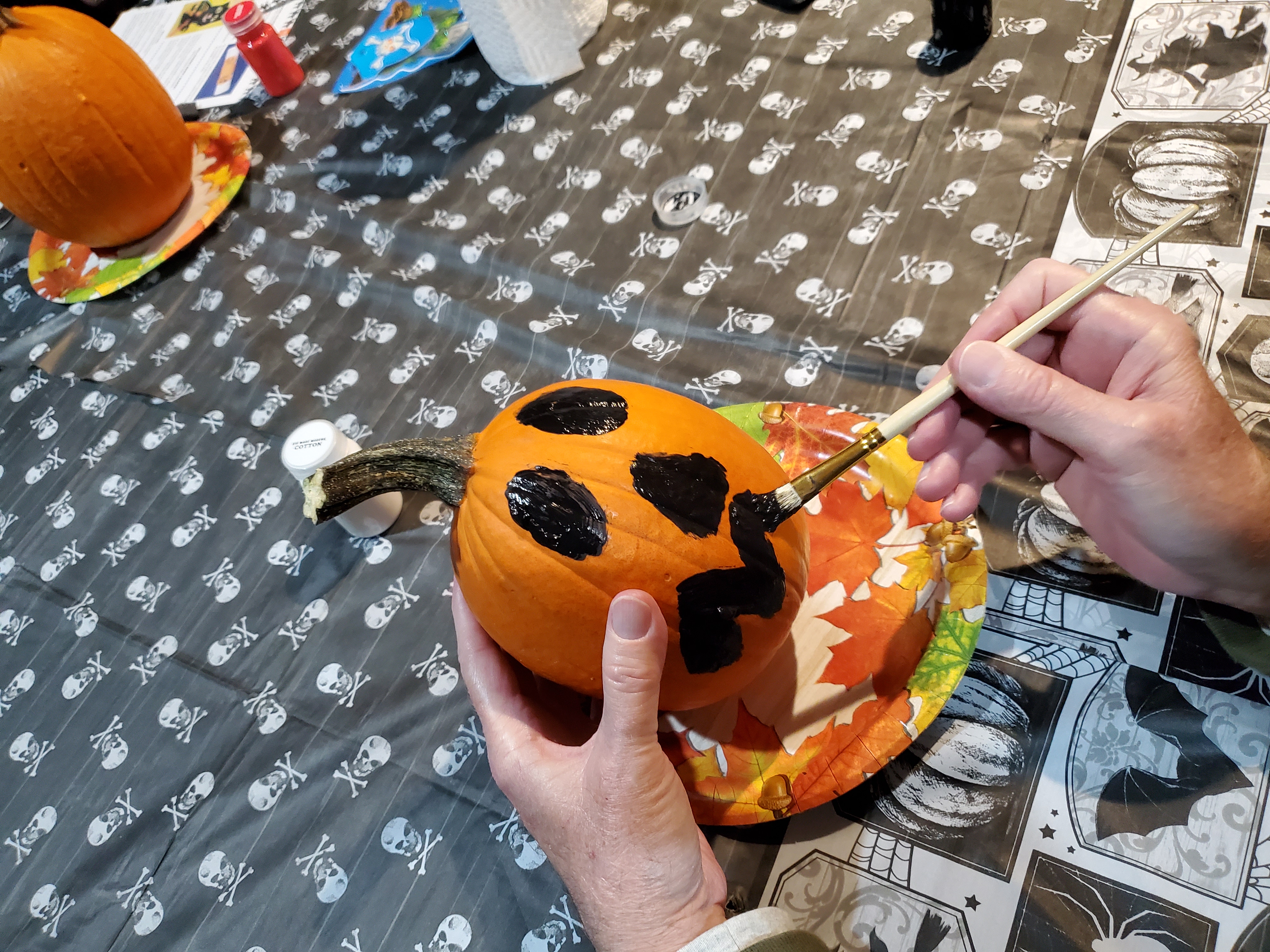
Please join us next Thursday October 14th, when we will have a craft night and we will be painting Halloween pumpkins!
 DBSA Omaha New Hope